Candida Yeast is a Nasty Beast ….
Here is my clinical approach, to rectifying a dominant Candida Yeast overgrowth in the canine gut and other areas.
Candida Albicans is polysymptomatic, showing itself in many ways. Some yeast infection symptoms may seem quite odd. The vet may not have a reasonable explanation for why your dog is sick.
Check this list of canine yeast infection symptoms.
Black/brown/yellowish gooey build-up of debris in the ears
Shaking of the head
Skin disorders, rashes, scabs, excessive scratching, hot and red skin.
Bladder and urinary tract infections
Genital rashes and anal itching
Excessive licking/chewing of the paws, legs, tail or other places on the body
Allergies
Lethargy
Anxiety
Hyperactivity
Joint pain and stiffness (Arthritis)
Thyroid imbalance
Bloating, intestinal gas, cramps, inflammatory bowel disease
'Corn chips ' smelly paws, strong doggy odour
Dull, dry or greasy coat
So, how does this candida fungal infection problem get started?
Antibiotics are broad spectrum. They destroy up to 90% of all bacteria. Antibiotics do not choose between good bacteria and bad bacteria. They just kill it all. Even if you or your pet has never actually taken antibiotics, we are all still at risk because of the meat we consume. Almost all chicken, 70 percent of cattle and 90 percent of pigs are raised on feed with antibiotics.
Feeding dogs improperly for their species. Low quality commercial dog food, or even expensive premium dog food containing grains, starches and too many unnecessary carbohydrates which convert to glucose in your dog's body.
Drugs, prescription medications, vaccines and chemical pesticides. Chemical substances including vaccines, flea/tick/heartworm prevention pesticides, anti-inflammatory medications and immune system suppressing drugs such as prednisone, create an imbalance of gut flora.
Here's a list of some other factors that can contribute to the canine candida albicans problem.
moulds in food and in the environment
acquired at birth from an infected mother
chlorinated tap water
stress
seasons
environmental factors such as chemical lawn sprays and fertilizers
household cleaners, detergents, fabric softeners
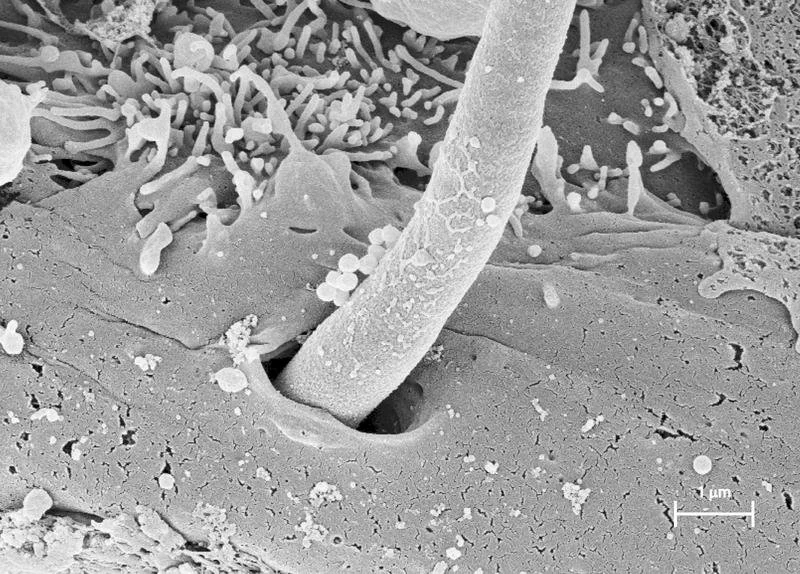
Candida albicans puts out root like filaments that damage the intestinal wall, causing leaky gut.
When the normal ratio of yeast fungus to friendly bacteria in the colon is disrupted, the yeast begins to grow out of control. The candida overgrowth spreads and gains access to the bloodstream and the lymphatic system.
The yeast fungus can change pathologically from a single celled organism to a branching fungal form, which can multiply rapidly. It uses root like tentacles to perforate the intestinal wall and damage cells there. This is called dysbiosis, better known as Leaky Gut Syndrome.
Once the yeast fungus enters the bloodstream and lymphatic system, it is free to travel to other parts of the body. Candida yeast fungus cells have a hard connective tissue shell, which protects it from the immune system.
Research has found 17 variations of yeast, including another yeast organism called Malassezia Pachydermatitis. It is found normally on a dog's skin and in the ears and is responsible for causing the thick, black hyper pigmented skin often seen in dogs with chronic yeast infections.
Yeast Infection Treatment is Possible-
It will take work and commitment on your part to help restore balance in your dog's body. Ridding him of this health robbing, fungal infection can be done, and the results will be worth it.
Often a candida yeast overgrowth condition is diagnosed as allergies. Usually, antibiotics, anti-fungal medications, anti-inflammatory drugs and steroids such as prednisone are prescribed to deal with the myriads of allergy symptoms. This will ultimately make the condition worse.
Medical drugs like this often do more harm than good. The underlying candida yeast overgrowth remains, and the drugs continue to cause and perpetuate an imbalance of gut flora. Drugs may help to ease the symptoms temporarily, but as soon as you stop the drugs, the symptoms come back.
Natural Yeast Infection Treatment for Dogs-Understanding the 4 Step Process
A natural yeast infection treatment for dogs is a process. It's a process because it's a condition of imbalance, that's not easy to re balance. Certain steps must be taken to restore the balance. This microorganism imbalance problem did not happen overnight or ' out of the blue ' suddenly. It was a slow, gradual process that happened cumulatively over time, and now your dog has a big problem.
So reversing the candida overgrowth imbalance to correct the problem and bring it back into balance, will be a slow and gradual process
There is ' no quick fix ' for a chronic yeast infection. If you can accept this, and work through the process, you will be successful at helping your dog.
Stop the Feast for the Yeast!
Try to think of the yeast fungus as a hungry, sugar consuming machine. You will need to make dog food changes to fight this. You will need to eliminate the foods that are allowing the yeast fungus colonies to continue to multiply and grow.
Specifically carbohydrate type foods that may offer good dog nutrition and have a good nutrient profile BUT also have a high glycaemic index, or in other words a high sugar component. These are the foods that are feeding the yeast fungus. These foods create an internal environment which allows the yeast to eat, and therefore thrive. They break down to sugar when digested, so check your dog’s food for the following-
fruits and vegetables
grains, rice
legumes such as chickpeas
peas
potatoes
sweet potatoes
unnecessary ingredients such as tapioca
For the yeast infection treatment process to be successful, you must make these necessary food adjustments. Sadly all kibble has a carbohydrate base of either grains, starches or legumes.
It will be necessary to stop any other contributing factors such as grain-based treats, fruit and vegetable treats, raw hide chews which contain many chemicals, peanut butter, ice cream and pizza crust. Give your dog healthy raw or dehydrated meat treats instead.
It is wise to start the cleanse process with a 24-hour fasting day. That means don't feed your dog, but it also means you're starving the nasty yeast! In fact, a random 24-hour fast day every week or so, provides amazing healing benefits when a dog is working to cleanse and recover from a yeast infection.
The 4 Steps to Curing a Yeast Infection Without Drugs
Reduce the yeast fungus by eliminating unnecessary carbohydrates in your dog's food. Feed a grain free, starch free kibble.
Eliminate the candida yeast fungus once and for all with anti-fungal herbs and support supplements that have a long history of use for this purpose.
Support the liver to detox waste products from dying yeast cells. This will help to prevent candida die off symptoms during this candida yeast cleanse process.
Reseed the friendly bacteria in the gut that has been destroyed by antibiotics, drugs such as anti-inflammatories and steroids, poor quality food and other contributing factors such as vaccines and flea/tick/heartworm control pesticides. This will help to restore proper flora balance in the gut and boost immunity.
You will also need patience and time. Don't expect this yeast condition to improve quickly. It won't! In fact you may even think it's getting worse. Yeast infection symptoms will most certainly get worse before they get better. If you know this beforehand, you'll be ready for it. Stick to the plan! It can take 1 month of healing for every year the condition has been an issue. This is a ballpark figure, as every animal heals slightly differently.
Avoiding the yeast friendly foods will help, but diet changes alone are not enough. Along with necessary diet changes, a successful dog yeast infection treatment plan, must include support supplements, that will help to...
reduce the candida albicans yeast overgrowth
support the liver to detox the waste products of the dying yeast fungus microorganisms. This is called ' die off '
ramp up and repopulate beneficial bacteria in the gut
restore balance within the intestinal realm.
Here's what I will prescribe herbs and supplements for dogs fighting a yeast infection.
Anti-fungal herbs to reduce the yeast fungus
Nutritious herbs to specifically support the liver to detox
Probiotics to ramp up and reseed beneficial bacteria in the gut microbiome.
Enzymes to break down foreign protein waste floating around in the blood because of yeast cell die off
If your dog is on Prednisone, Apoquel or some other immune suppressing steroid or combination steroid/antibiotic/anti-fungal drug, we will have to wean your dog off this drug first, before attempting a natural yeast infection treatment program. If not, your efforts will be wasted.
So let’s get this sorted, together we can strengthen your dog for a happy healthy drug free future!